
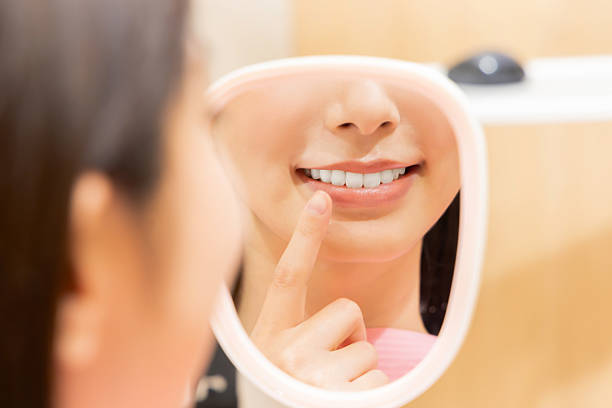
A chipped edge, a small gap, or a tooth that stays dark after whitening can make you wonder how much treatment you really need. At Townsend Dental Group in Townsend, MA, we help you compare cosmetic bonding and porcelain veneers based on the change you want, the condition of your teeth, and your budget. Both can improve a smile’s appearance, but they differ in preparation, cost, maintenance, and how easily they can be repaired or changed.
Bonding often suits smaller adjustments with little alteration to the tooth. Porcelain veneers may be worth considering when you want more extensive changes to visible tooth surfaces. Understanding those differences gives you a useful starting point for a conversation with your dentist.
Cosmetic care can range from brightening natural teeth to changing their shape. The right approach depends on what bothers you and whether your teeth and gums are healthy enough for the proposed treatment.
Cosmetic dentistry focuses on smile appearance, including tooth color, shape, proportions, and visible spacing. Common options include:
These approaches work differently. Adding material, removing enamel, and moving teeth are separate decisions with different implications. Our cosmetic dentistry services explain the options available at the practice.
The appeal is often practical: you may want a chipped edge repaired or a smile that feels more like your own. A small change can be enough.
That doesn’t mean every concern needs veneers or treatment across multiple teeth. A useful consultation starts with what you want to change and considers the least invasive appropriate way to achieve it.
Cosmetic bonding usually means applying composite resin directly to a tooth. This tooth-colored material can replace a missing corner, reshape an edge, or disguise a small imperfection.
Your dentist selects a resin shade, prepares the tooth surface, and applies an adhesive. The resin is then added and sculpted into the planned shape. A curing light hardens it before final shaping and polishing.
The dentist also checks how the repaired tooth meets the opposing teeth. Even an attractive repair needs to fit your bite.
Many small bonding treatments can be completed in one visit. Treating several teeth or addressing underlying dental problems can require more time.
Bonding may be appropriate for:
If you’re hoping to repair a chip before an event, mention the date when scheduling. An examination still comes first: a new chip, pain, or a visible crack may need more than cosmetic coverage.
Bonding typically costs less upfront than porcelain veneers and often requires little or no enamel removal. It can also be relatively straightforward to polish, adjust, or repair.
Its limitations are wear, staining, and chipping. A large addition on a biting edge faces different demands than a small repair on a protected surface. Bonding can be a lasting choice for an appropriate case, but occasional maintenance should be part of your expectations.
Porcelain veneers are thin ceramic coverings custom-made for the fronts of teeth. They can change several visible characteristics together, including color, shape, length, and proportions.
They differ from crowns, which cover much more of a tooth. A severely weakened tooth may need restorative treatment rather than a veneer.
Planning begins with the desired appearance and an assessment of the teeth supporting the veneers. Conventional treatment usually involves removing a small amount of enamel to create space for the porcelain.
The dentist takes impressions or scans, and a dental laboratory makes the veneers. Temporary coverings may be needed while they are being fabricated. At placement, the dentist checks fit, shade, and bite before bonding them into position.
The process generally involves more than one appointment. The preparation and laboratory stages make it different from direct bonding.
Veneers may suit people with healthy teeth and gums who want to address persistent discoloration, irregular shapes, or several visible imperfections.
Enough suitable enamel and a manageable bite are important. Untreated decay, gum disease, heavy grinding, or substantial tooth damage may change the recommendation.
Veneers can disguise some minor irregularities, but they do not move teeth or correct an underlying bite problem. Orthodontic treatment may offer a better approach when tooth position is the main concern.
Porcelain offers good stain resistance and allows detailed control over tooth appearance. It can be useful when several teeth need coordinated changes.
The tradeoffs include higher initial cost, possible sensitivity, and the permanent loss of any enamel removed during preparation. Veneers can chip, loosen, or need replacement.
Minimal-preparation options may conserve more enamel in selected cases, but they are not suitable for everyone. Ask exactly what preparation your own teeth would require rather than assuming a particular veneer is reversible.
The main differences involve how much change is needed, how the material performs, and what you are comfortable committing to over time.
Both treatments can look natural. Bonding is shaped directly on the tooth, allowing precise local adjustments. Porcelain is fabricated separately and can reproduce the way light passes through and reflects from enamel.
For a small chip, bonding may blend beautifully. For a broader change across several visible teeth, porcelain can offer advantages in color stability and coordinated design.
The material alone does not determine the result. Tooth shape, underlying color, gum contours, and the dentist’s planning all matter.
Porcelain veneers commonly last around 10–15 years with appropriate care, and some last longer. Bonding often needs a touch-up or replacement within roughly 3–10 years.
These are general estimates, not expiration dates or guarantees. Grinding, bite forces, repair size, oral hygiene, and accidental injury affect both.
The type of maintenance also differs. A small composite chip may be repaired by adding resin. A damaged porcelain veneer may require replacement, depending on the problem.
Bonding generally has a lower initial cost because the resin is shaped directly in the mouth and usually does not require a separate laboratory-made restoration. Porcelain veneers involve additional fabrication and planning.
A useful estimate should specify:
Compare the proposed result as well as the price. A modest bonding repair and a multi-tooth veneer plan may solve very different problems.
Brush twice daily with fluoride toothpaste and clean between teeth every day. Ask your dentist which products suit your restorations, especially if you use abrasive whitening toothpaste.
Avoid chewing ice, biting pens, opening packages with your teeth, or placing heavy pressure on repaired edges. If you grind or clench, discuss whether a protective nightguard is appropriate.
Keep up with examinations and cleanings. The tooth beneath bonding or a veneer can still develop decay. Our guide to dental cleanings explains what preventive visits involve.
Whitening does not lighten composite resin or porcelain. Whitening your natural teeth after treatment may create a color mismatch.
The choice becomes clearer when you describe the result you want in specific terms. “I want this corner repaired” and “I want several teeth to have a different color and shape” may lead to different plans.
Think about these questions before your visit:
You can also ask whether whitening, orthodontics, or leaving a harmless imperfection alone is reasonable. Understanding your choices is part of deciding how much treatment feels right.
Your dentist evaluates the cause of the concern before recommending coverage. A dark tooth, for example, may need investigation rather than simply a lighter surface. Repeated edge chipping may indicate a bite issue.
The examination also assesses gum health, existing restorations, enamel, and tooth support. From there, your dentist should explain the likely benefits, limitations, and alternatives in language you can use to make a decision.
Bring photos if they help describe your goals, while keeping in mind that another person’s smile cannot predict your own result.
Sometimes the best plan uses more than one approach. Whitening may brighten natural teeth before bonding or veneers are shade-matched. Your dentist determines the appropriate interval after whitening before final bonding.
Selected cases may benefit from minor contouring alongside bonding, or orthodontic treatment before cosmetic finishing. Tooth contouring permanently removes enamel, so combining it with bonding changes the overall commitment.
Townsend Dental Group offers several cosmetic services, allowing the discussion to focus on a plan for your particular concerns. You don’t need the same treatment on every visible tooth.
Porcelain generally resists staining better than composite resin and may help disguise persistent tooth discoloration. That does not make veneers the first choice for every stain. Professional cleaning or whitening may address the concern with less alteration to healthy teeth. The cause and depth of discoloration matter.
Bonding can close some small gaps by adding material to neighboring teeth. For a larger space, adding enough resin may make the teeth too wide or create contours that are harder to clean. Veneers or orthodontics may be considered, depending on tooth proportions, alignment, and the cause of the spacing.
Additive bonding is often described as reversible because it typically involves little or no enamel removal. However, tooth preparation, existing damage, and any accompanying reshaping affect what can be undone. Ask whether your plan requires enamel removal and what removing the resin later would involve. Removal should be performed by a dentist.
Porcelain veneers commonly last about 10–15 years, sometimes longer, while bonding often needs attention within 3–10 years. Either can require earlier repair. A small repair, extensive cosmetic coverage, and a restoration exposed to heavy biting forces should not be expected to perform identically.
Treatment performed solely to change appearance is generally not covered. Bonding used to repair damage or treat decay may qualify for benefits, depending on your plan. Ask for a benefit estimate before treatment, including any limits and your expected share. An estimate does not guarantee payment.
Veneers require thoughtful planning because any removed enamel does not grow back. Properly selected treatment can improve appearance, but it creates an ongoing need to maintain the restoration and underlying tooth. Ask how much preparation is proposed and whether a less invasive option could meet your goal.
You don’t have to choose bonding or veneers before your appointment. Start with what you’d like to change, and we can help you understand the options.
At Townsend Dental Group, we’ll discuss your teeth, your priorities, and the practical differences between treatments. Whether you’re coming from West Townsend or nearby Pepperell, the goal is a clear plan you feel comfortable choosing. Schedule your cosmetic consultation to get started.
